
How Shared Moments With Families Reinforce Company Culture
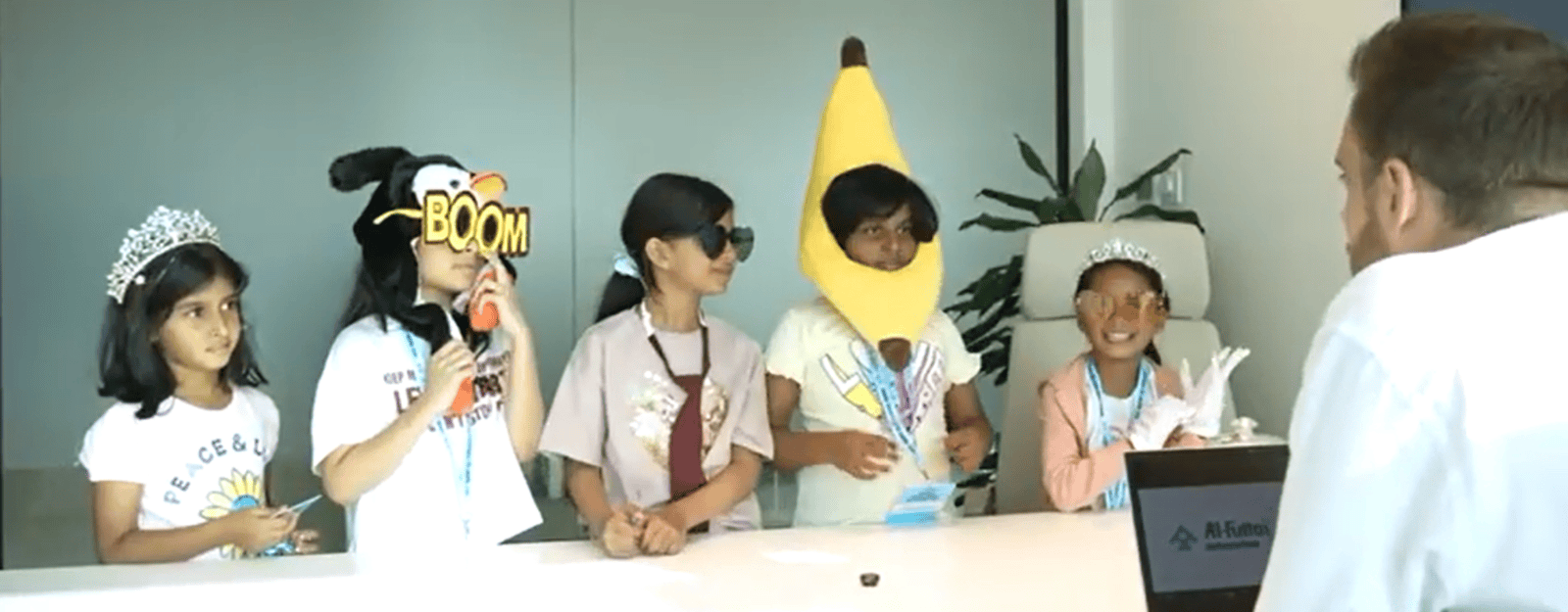
In many organisations, company culture is often expressed through values statements, internal communications or leadership speeches. Yet culture is rarely built through words alone. It takes shape through shared experiences, moments of connection and the way people feel about the organisation they belong to.
One format that has quietly become one of the most powerful tools for strengthening company culture is the corporate family day.
At first glance, these events may appear informal or celebratory. A day where employees bring their families to the workplace or to a dedicated venue to spend time together. But when designed thoughtfully, family days go far beyond simple entertainment. They create an emotional bridge between employees, their families and the organisation itself.
Belonging as a Key Driver of Engagement
A growing body of research highlights the importance of belonging in the workplace. According to Gallup’s global workplace studies, employees who feel strongly connected to their organisation are more productive, more engaged and significantly less likely to leave their employer.
Research by BetterUp provides even more striking figures. Their study on workplace belonging found that employees who experience a strong sense of belonging show 56% higher job performance and 50% lower turnover risk compared to those who feel disconnected from their organisation. They also report 75% fewer sick days, demonstrating the powerful link between emotional connection and wellbeing at work.
These findings underline a simple reality: when people feel that they matter within a community, their commitment to that community grows.
Family days contribute to this sense of belonging in a very tangible way. By opening the company environment to employees’ families, organisations acknowledge that behind every employee there is a broader personal world. The workplace is no longer seen as an isolated professional space but as part of a larger life ecosystem.
Making the Invisible Visible
One of the most meaningful aspects of family days is that they make the professional world visible to those who normally remain outside it.
Partners, children and relatives often hear about someone’s work but rarely see it. When they have the opportunity to visit the workplace, meet colleagues and experience the environment, they gain a clearer understanding of what that person does every day.
For employees, this moment can be surprisingly powerful. Seeing their children walk through their office, meet their team or participate in activities related to their company often creates a sense of pride. The workplace becomes something they can share with the people who matter most to them.
This emotional connection reinforces the perception that work is not only a professional obligation but also a meaningful part of life that can be shared with loved ones.
Humanising the Organisation
Corporate structures can sometimes feel abstract or distant. Titles, departments and hierarchies often define how people interact within organisations. Family days create a space where these boundaries soften.
When colleagues meet each other’s families, conversations naturally shift. People are no longer seen only through their professional roles but as individuals with personal stories, interests and relationships.
This human dimension contributes to stronger internal connections. It becomes easier to collaborate, communicate and trust one another when people feel they know each other beyond formal roles.
In this sense, family days function as powerful culture-building moments. They reveal the human side of the organisation and reinforce the idea that companies are ultimately communities of people.
Strengthening Employer Brand From Within
Family days also play an important role in shaping how employees talk about their company outside the workplace.
When employees invite their families to participate in a well-designed experience, the organisation becomes part of a positive shared memory. Children who associate their parent’s workplace with a joyful event, interactive activities or meaningful discoveries develop a favourable perception of the company.
These impressions may seem anecdotal, but they contribute to a deeper emotional bond between employees and the organisation. Pride in the workplace often begins with moments like these.
From an employer branding perspective, family days also demonstrate that the company values people as individuals, not only as employees. This message resonates strongly in a context where work-life balance and employee wellbeing have become increasingly important.
Research by Deloitte’s Global Human Capital Trends report shows that organisations that prioritise employee experience and wellbeing tend to achieve higher retention, stronger engagement and greater organisational resilience.
Designing Meaningful Experiences
Not all family days automatically create this impact. The difference lies in how they are designed.
The most memorable events go beyond simple entertainment and create experiences that reflect the organisation’s identity. Activities can introduce families to the company’s mission, values or industry in an accessible and engaging way.
Interactive workshops, collaborative challenges or immersive installations can allow families to explore what the company does while having fun together. Children might participate in simplified versions of the activities that employees perform in their professional roles, creating moments of discovery and pride.
Experiential learning research shows that people retain up to 70–75% of information through experiential participation, compared with only 10–20% through passive listening, highlighting why interactive experiences leave such strong impressions.
When the experience connects families with the purpose of the organisation, the event becomes more than a celebration. It becomes a meaningful encounter between personal life and professional identity.
Creating Memories That Last
Ultimately, the power of family days lies in the memories they create.
Long after the event is over, employees remember the moment when their children visited their workplace, when colleagues met their families or when teams shared an experience outside the usual professional context. These moments contribute to the emotional narrative people associate with their company.
Culture is often defined by everyday interactions, but it is reinforced by shared memories. Experiences that bring people together, celebrate relationships and acknowledge the human dimension of work help organisations build cultures that feel authentic and lasting.
Family days remind us that behind every organisation are individuals whose professional lives are deeply connected to their personal worlds. By creating spaces where these worlds meet, companies can foster stronger belonging, deeper pride and a more human sense of community.
In a time when engagement and retention are becoming strategic priorities for many organisations, these moments of shared experience may prove to be among the most meaningful investments a company can make.
Sources and References
BetterUp. The Value of Belonging at Work. 2019.
Gallup. State of the Global Workplace Report.
Deloitte. Global Human Capital Trends.
Kolb, David. Experiential Learning: Experience as the Source of Learning and Development.
Pine, B. Joseph II & Gilmore, James. The Experience Economy. Harvard Business School Press.
Freeman. Global Brand Experience Study.